
Managing Peak Pricing During Severe Weather Events
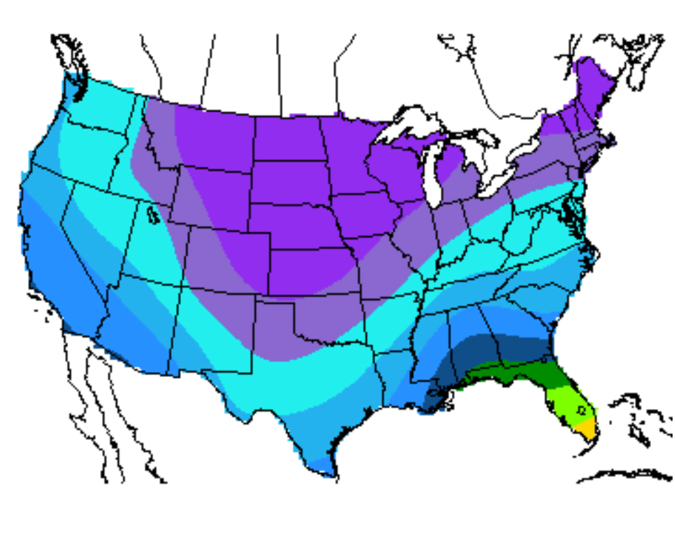
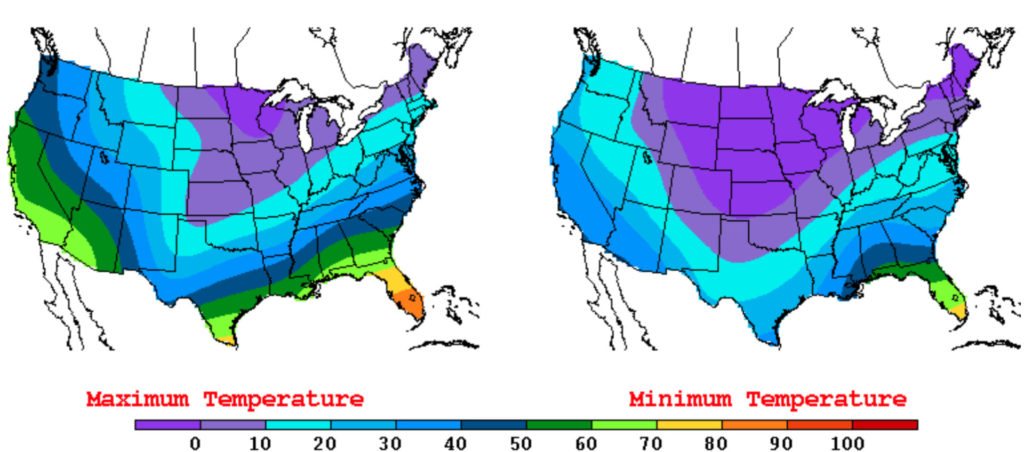
As Winter Storm Fern swept across the United States, bringing bitter cold, ice, and heavy snow, The Midcontinent Independent System Operator (MISO) again notified utilities that energy conservation was necessary due to the severe weather and high demand. Although the grid was able to manage the additional load, increased natural gas usage pushed fuel prices higher, which in turn made electricity more expensive. At the same time, wind and solar—typically low‑cost generation sources—underperformed over the weekend because of the weather conditions, shifting more of the generation mix to coal, natural gas, and nuclear resources.
These combined factors further emphasized the importance of load control in protecting both system stability and member affordability.
Lake Region Electric Cooperative and its wholesale power supplier, Great River Energy (GRE), utilize a load control program designed to keep electricity affordable by reducing demand during periods of extreme weather or unusually high wholesale market prices. When bitter cold or intense heat significantly increases energy use across the region, GRE may activate additional load control to avoid purchasing expensive power on the open market—costs that would otherwise be passed on to members.
By temporarily shifting or reducing the operation of certain appliances, load control lowers peak demand, protects the electric grid, and helps stabilize rates. These strategic control periods ensure cooperative members benefit from lower wholesale power costs while supporting system reliability during the times the grid needs it most.
Peak pricing refers to the higher cost of electricity during periods of maximum demand, such as extremely hot or cold weather or the early evening hours when many households are using appliances simultaneously. Because electricity is more expensive to produce and purchase during these high‑demand periods, utilities and power suppliers face increased costs that ultimately flow back into member rates unless steps are taken to manage demand.
Load control helps avoid these high‑priced periods by reducing or shifting electricity use, keeping rates stable and preventing members from absorbing higher market prices.
Peak pricing is not about charging more—it is about avoiding the times when electricity costs the most.
MISO is responsible for operating and managing the high‑voltage electric grid across 15 U.S. states and Manitoba. Often described as the “air traffic controller” of electricity, MISO coordinates the movement of electricity across the region and operates organized wholesale energy markets to ensure reliability and non‑discriminatory grid access.
Over the weekend, extended load control became necessary due to extreme cold across the Midwest, which sharply increased electricity demand while limiting the output of some power plants.
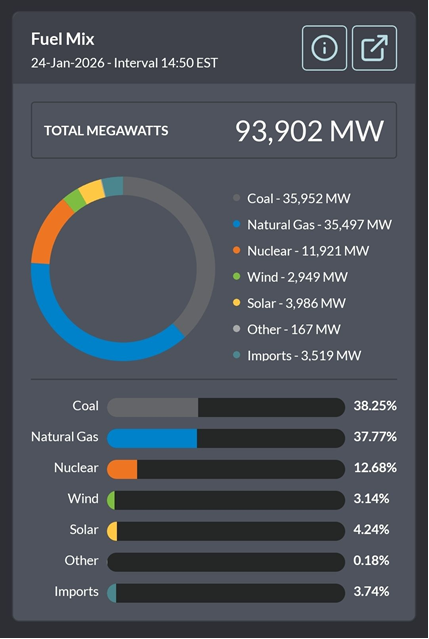
MISO issued conservation alerts as frigid temperatures stretched across the Midwest, leading utilities and power suppliers, including those served by GRE, to employ additional load control to reduce demand, avoid high market prices, and maintain reliability.